Cute Bee with Flower Embroidery Design Review
As I prepare my booth inventory for the upcoming weekend craft fair, I am constantly evaluating which digital assets will translate best into physical sales. The transition from a screen to a finished product is where many designs fail or succeed. Today, I am reviewing the Cute Bee with Flower Embroidery Design specifically through the lens of a commercial creator and Etsy seller. This isn't just about whether the digitizing looks pretty on a monitor; it is about whether this machine embroidery design can withstand production runs, attract customers at a crowded market table, and justify a premium price point on handmade goods.
First Impressions and Market Viability
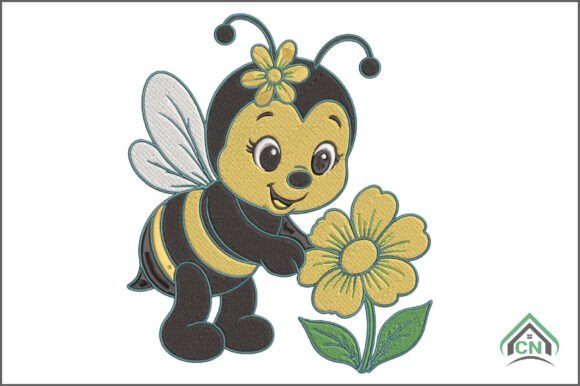
My immediate reaction to the Cute Bee with Flower Embroidery Design is that it strikes an excellent balance between whimsical and versatile. It does not feel overly juvenile, which is a common pitfall with insect motifs. Instead, it leans into a soft, cottage-core aesthetic that is currently dominating the handmade product market. For a Spring collection, this design feels timely without being so seasonal that it becomes unsellable by June. The visual weight appears balanced, suggesting it could serve as either a central focal point on a smaller item or a charming accent on larger textiles.
From a business perspective, this versatility is gold. When I look at this embroidery file, I see potential for high-margin items rather than just basic apparel. The cheerful nature of the bee and flower combination evokes feelings of warmth and nostalgia, which are key emotional triggers for craft fair buyers. It feels approachable and giftable, two criteria that directly influence impulse purchases at vendor booths.
Best Applications for Craft Fair Inventory
Determining where to place this design is crucial for maximizing return on investment. Based on the motif's scale and character, I have identified several high-potential applications for my upcoming market setup:
- Tote Bag Design: This is arguably the strongest application. Canvas totes provide a stable base for embroidery, and the cute bee motif aligns perfectly with the eco-friendly, farmer’s market vibe that tote buyers seek. It transforms a utility item into a fashion statement.
- Tea Towel Embroidery: Kitchen linens are staple sellers. The floral element ties in beautifully with domestic themes. Unlike complex landscapes, this design likely stitches out quickly enough to keep production costs low while maintaining high perceived value.
- Apron Embroidery: For boutique makers targeting gardeners or bakers, this design adds personality to functional gear. Placing the bee on a chest pocket or lower hem creates a professional yet playful look.
- Embroidered Patch: If the design has clean edges or a merrow border option, converting it into a patch allows for inventory flexibility. Patches can be sold individually as add-ons or applied to caps and denim jackets to diversify booth offerings without re-hooping for every single sale.
- Baby Clothes and Bibs: Given the "cute" descriptor, this is a natural fit for infant wear. However, as a designer, I would prioritize soft fabrics and ensure the back of the embroidery is covered or smooth to prevent skin irritation.
Production Practicalities and Stitch Performance
A beautiful digital embroidery file is useless if it causes thread breaks or registration issues during batch production. When reviewing the Cute Bee with Flower Embroidery Design for commercial use, I focus heavily on technical execution. The interaction between stitch density and fabric texture is paramount. Floral elements often involve satin stitches that can sink into textured fabrics like linen or terry cloth. If the density is too high, the fabric may pucker; if too low, the coverage might look sparse.
For small shop product lines, repeatability is essential. I need to know that this design will stitch out identically on the fiftieth tea towel as it did on the first. Consistent tension and minimal trims save hours of labor. I also evaluate the thread colors required. A design requiring twelve specific shades slows down production significantly. Ideally, this bee and flower motif utilizes standard poly or rayon colors that are already in my inventory, reducing overhead and simplifying restocking.
Photographing this design for online listings requires consideration of sheen and contrast. Bees often involve yellow thread, which can be notoriously difficult to capture accurately in photos due to lighting reflections. When creating a printable mockup or listing photo, I recommend using natural, diffused light to prevent the yellow from blowing out or looking neon. Accurate color representation reduces returns and builds trust with remote buyers.
Critical Use Notes for Professional Results
Even the most well-digitized commercial embroidery assets require operator expertise. Before listing any item featuring the Cute Bee with Flower Embroidery Design, consider these technical constraints:
- Stabilizer Selection: Do not rely solely on tear-away backing for stretchy knits or open-weave linens. Cut-away stabilizer is often necessary to maintain the shape of floral petals and prevent distortion after washing.
- Size Reduction Risks: While this design works for baby clothes, be wary of scaling it down too aggressively. Tiny details in the bee’s wings or flower stamens may become muddy or cause needle penetration issues at very small sizes. Always verify the minimum recommended size in the design specs.
- Dark Fabric Contrast: Yellow bees disappear on cream or gold fabrics. Ensure there is sufficient contrast between the thread and the garment. Sometimes adding a subtle outline or shadow stitch can define the motif against similar background colors.
- Curved Surfaces: If applying this to caps, confirm the design is specifically digitized for curved surfaces or use a flat brim style. Standard flat designs often distort when forced onto a 3D hat frame.
Designer Checklist Before Selling
As experienced creators, we must validate our design assets before they reach the customer. Never assume a downloaded file is production-ready for your specific machine and material combination. Follow this protocol:
- Test Stitch-Out: Always run a sample on scrap fabric identical to your final product. Check for registration errors between the bee and the flower.
- Hoop Size Verification: Confirm the design fits comfortably within your hoop with adequate margin for stabilization. Overstretching fabric to fit a design leads to severe puckering.
- License Confirmation: Verify that the embroidery file includes commercial rights for selling finished products. Some licenses restrict mass production or require attribution.
- Mockup Creation: Create at least one real, physical mockup to photograph. Digital renders rarely convey the true texture and quality of embroidery, and customers want to see actual stitch definition.
- Wash Test: For items like tea towels and baby clothes, wash and dry the test sample to ensure threads do not shrink or bleed differently than the base fabric.
Enhancing Booth Display and Buyer Engagement
The ultimate goal of selecting the Cute Bee with Flower Embroidery Design is to drive sales. Visual appeal at a craft fair is about storytelling. Grouping items featuring this design creates a cohesive collection that encourages multi-item purchases. Imagine a display featuring a matching tote bag, tea towel, and pouch; the repetition of the motif reinforces brand consistency and makes the table look professionally curated rather than cluttered.
Furthermore, this design serves as an excellent conversation starter. The universal appeal of bees and flowers invites customers to touch the products and ask about the process. When buyers engage physically with a handmade product, the likelihood of purchase increases dramatically. By choosing a design that is both technically sound and emotionally resonant, you are not just selling embroidery; you are selling a piece of cheerful craftsmanship that stands out in a saturated market. Always remember to check the specific file details regarding stitch count and formats before beginning your production run to ensure seamless integration into your workflow.