Cute Kitten Embroidery Design Review
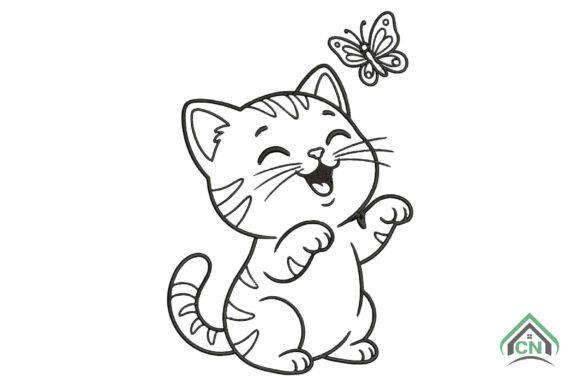
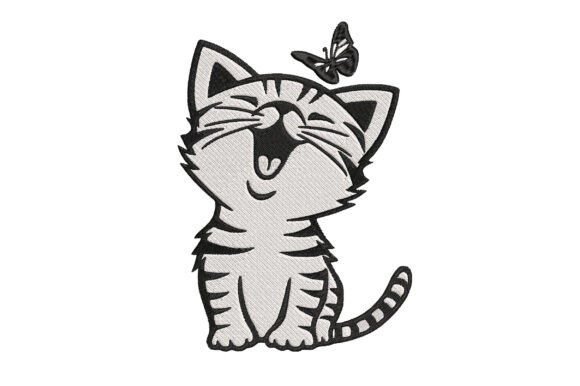
As I prepare my inventory for the upcoming weekend craft fair, I am constantly evaluating which digital assets will translate best into physical sales. My booth space is limited, and every hoop loaded onto my machine needs to justify its time with proven market appeal. When reviewing the Cute Kitten Embroidery Design, my immediate assessment focuses on its emotional resonance and commercial viability for handmade products. This design features a happy kitten with closed eyes enjoying a moment with a butterfly, evoking a soft and heartwarming aesthetic that aligns perfectly with current trends in the cottagecore and pet lover niches. For an embroidery business owner or Etsy seller, this specific mood is a powerful selling point because it triggers an instant emotional connection with buyers browsing through crowded market aisles or scrolling through digital feeds.
Evaluating Aesthetic Appeal for Craft Fair Products
The first impression of this machine embroidery design is undeniably soft and whimsical. Unlike bold, graphic logos or dense collegiate lettering, this artwork relies on gentle curves and expressive simplicity. From a designer’s perspective, this "soft" aesthetic is highly versatile for a small shop product lineup. It does not scream for attention but rather invites the customer to lean in for a closer look. In a real-world booth scenario, this type of imagery performs exceptionally well on items intended as gifts or personal comforts. The depiction of the kitten with closed eyes suggests contentment and peace, making it an ideal candidate for relaxation-related goods rather than high-energy activewear or utilitarian work gear.
For those of us managing a table display, visual cohesion is key. This design feels inherently compatible with natural fibers and muted tones. I envision this working beautifully on unbleached canvas tote bags, linen tea towels, and cream-colored aprons. The contrast between the delicate thread colors and organic fabric textures creates a premium handmade feel that justifies a higher price point than mass-produced alternatives. When customers associate a design with warmth and nostalgia, they are more likely to purchase it as a sentimental gift for a cat-owning friend or family member.
Best Performing Substrates for Commercial Embroidery
Determining where to place a new embroidery file is just as important as the stitching itself. Based on the composition of the Cute Kitten Embroidery Design, I have identified several substrates that offer the highest return on investment for craft fair sellers and boutique makers.
- Tote Bag Design: Canvas totes are a staple at markets. This design serves as a perfect focal point centered on the bag. Because the kitten and butterfly motif is self-contained, it leaves ample negative space, preventing the bag from looking cluttered. This makes it an excellent choice for shoppers looking for reusable, eco-friendly bags with personality.
- Tea Towel Embroidery: Kitchen linens are high-volume sellers. The gentle nature of this design complements the domestic setting. However, when embroidering on textured terry or waffle weave towels, you must ensure the details of the butterfly do not get lost in the fabric pile. Using a water-soluble topping is non-negotiable here to maintain definition.
- Apron Embroidery: For the baking and gardening crowd, this design adds a touch of sweetness to functional wear. Placing the design on the chest pocket area or the lower hem creates a balanced look. Aprons allow for slightly larger hoop sizes, giving the kitten’s expression room to breathe without distortion.
- Fabric Pouches and Pillow Covers: Smaller giftable items like zipper pouches and throw pillow covers benefit immensely from this art style. These items often sit at eye level on display shelves. The "happy kitten" theme transforms a simple utility item into a decorative accent piece, increasing its perceived value.
Production Practicalities and Stitch Density Considerations
While the visual appeal is strong, practical production concerns dictate whether a design is profitable. As an experienced digitizer and embroiderer, I always scrutinize stitch density before committing to batch production. Designs featuring animals can sometimes suffer from excessive density if the digitizer attempted to create photorealistic fur. If this Cute Kitten Embroidery Design utilizes heavy fill stitches, it may cause puckering on lighter fabrics like quilting cotton or result in stiff, bulletproof patches on apparel.
I strongly advise testing the design on scrap fabric identical to your intended finished product. Check the registration of the butterfly wings against the kitten’s face; misalignment in multi-color designs can ruin the professional finish required for commercial embroidery. Additionally, consider the stabilizer requirements. If you are stitching on stretchy knits for baby onesies or t-shirts, a cut-away stabilizer is essential to prevent the design from warping after washing. For woven fabrics like tote bags, a medium-weight tear-away usually suffices, but always verify based on your specific thread count and fabric weight.
Another critical note involves sizing. While this design likely shines at standard sizes, be cautious about scaling it down too small for items like cap fronts or shirt cuffs. Tiny details, such as the butterfly’s antennae or the kitten’s eyelashes, may turn into thread blobs if reduced below the recommended minimum size. Always respect the digitizer’s size constraints to preserve clarity. Conversely, enlarging the design significantly may reveal gaps in satin stitches or jagged edges, so stick to the tested dimensions provided with the digital embroidery file.
Marketing Handmade Products Online and In-Person
A successful craft fair product must also perform digitally. For Etsy sellers and creative entrepreneurs, photography is the bridge between the physical stitch and the online buyer. The soft, heartwarming nature of this design photographs best in natural, diffused lighting. Avoid harsh flash photography, which can flatten the texture of the embroidery and wash out subtle thread sheen. Instead, stage your embroidered patch or finished product near a window to capture the dimensionality of the stitches.
When creating printable mockups or listing photos, context matters. Do not just show a flat scan of the design. Show the tote bag being carried, or the tea towel draped over a wooden spoon. Lifestyle imagery helps customers visualize the product in their own homes. Furthermore, clearly state in your listings that this is a handmade product featuring original embroidery. Highlighting the care taken in selecting thread colors and stabilizers reinforces the quality difference between your work and factory-made goods.
Essential Pre-Production Checklist for Sellers
Before loading this design for a full production run, complete this verification list to protect your brand reputation and minimize waste:
- Verify Licensing: Confirm that your purchase includes commercial licensing for selling finished physical products. Never assume rights are included; check the designer’s terms explicitly.
- Test Stitch-Out: Run a sample on your target fabric. Inspect for thread breaks, tension issues, or design gaps.
- Check Hoop Compatibility: Ensure the design fits comfortably within your hoop size with adequate margin for the presser foot. Overly tight hooping leads to distortion.
- Thread Contrast Check: View the thread palette against both light and dark fabrics. Some pastel threads disappear on white fabric or lack pop on navy. Adjust colors if necessary to maintain visibility.
- Create Real Mockups: Photograph at least one actual stitched sample for your marketing materials. Customers trust real photos over digital renders.
- Review Spacing and Alignment: If adding custom text (e.g., "Cat Mom"), ensure proper spacing relative to the kitten graphic to avoid a crowded appearance.
Ultimately, the Cute Kitten Embroidery Design represents a strong opportunity for makers focusing on the pet and home decor markets. Its success lies not just in the cute factor, but in how thoughtfully you integrate it into your production workflow and marketing strategy. By respecting the technical requirements of machine embroidery and presenting the finished product with professional care, you transform a simple digital file into a best-selling craft fair staple that delights customers and grows your handmade business.