Cute Nautical Seagull Sailor Embroidery Review
As a professional embroidery digitizer and product reviewer, I approach every new machine embroidery design with a critical eye toward production viability. It is not enough for a graphic to look charming on a screen; it must translate into clean stitches, withstand washing, and ultimately sell as a finished product. After evaluating the Cute Nautical Seagull Sailor Embroidery, I see significant potential for both personal crafters and commercial makers, provided it is applied with intention. This design captures a specific coastal whimsy that resonates deeply with current market trends, but its success depends entirely on proper fabric pairing and stabilization techniques.
First Impressions and Visual Personality
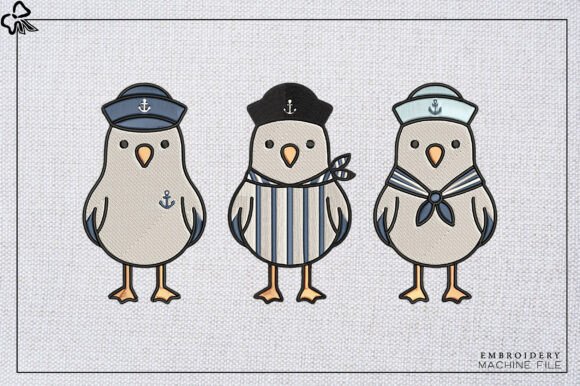
The immediate strength of this embroidery file lies in its balanced composition. The trio layout creates a natural sense of movement without feeling cluttered, which is a common pitfall in novelty designs. The sailor motif adds a layer of narrative charm that elevates it beyond a generic bird pattern. From a digitizing perspective, the separation between the three seagulls suggests thoughtful spacing, allowing for adequate registration marks and reducing the risk of design distortion during high-speed stitching.
Visually, the design strikes a mood that is nostalgic yet fresh. It avoids the overly cartoonish aesthetic that can alienate adult buyers, leaning instead into a classic nautical style suitable for a wider demographic. For an Etsy seller or boutique owner, this versatility is crucial. It reads as premium rather than cheap, which directly influences perceived value. When reviewing the stitch paths visually, the transition areas between the sailor hats and the bird bodies appear distinct, suggesting that color changes are logical and manageable, minimizing thread trims and production time.
Real-World Application: The Custom Tote Bag Test
To truly evaluate this design, I mentally placed it in a real-world production scenario: creating a line of heavy-duty canvas tote bags for a summer beach shop. Canvas is unforgiving; it hides nothing. In this context, the Cute Nautical Seagull Sailor Embroidery serves as an excellent focal point. The trio format works exceptionally well centered above the bag’s bottom seam or aligned vertically along a side gusset.
For this specific tote bag design application, I would recommend using a cut-away stabilizer rather than tear-away to prevent the canvas weave from shifting under the needle. The nautical theme demands crisp lines. If the satin stitch borders on the sailor hats are too narrow, they might get lost in the canvas texture. However, if the digitizer has accounted for this with appropriate pull compensation, the result will be a professional-grade handmade product. Customers looking for coastal decor often judge quality by edge definition. A clean stitch-out on textured fabric builds immediate trust and justifies a higher price point for your small shop product.
Apparel Considerations and Fabric Limitations
Moving from sturdy canvas to apparel requires a shift in strategy. While this design is ideal for sweatshirt embroidery or light jackets, caution is necessary for thinner knits. The density of a trio design can create a stiff patch effect on lightweight t-shirts or baby onesies. Before committing to a full production run of custom apparel, you must verify the stitch density. If the design is overly dense, consider using it only on heavier weight garments like French terry or fleece.
For baby embroidery projects, safety and comfort are paramount. Ensure there are no rough jump stitches on the backside that could irritate sensitive skin. Using a soft mesh cut-away stabilizer and topping can help maintain the integrity of the design while keeping the garment drape natural. Dark fabrics present another challenge; white or light-colored threads on navy blue sweatshirts create beautiful contrast, but you must ensure the underlay is sufficient to prevent the dark fabric from grinning through the lighter stitches. Always test on a scrap of the exact garment material before hooping a sellable item.
Commercial Viability for Makers and Sellers
For creative entrepreneurs, the return on investment for any digital embroidery file hinges on its adaptability. This seagull trio offers multiple merchandising angles. Beyond apparel and bags, consider home goods. The horizontal flow of the birds makes them perfect for tea towels, pillow covers, or nursery wall hangings. As a holiday embroidery option, the sailor theme bridges the gap between summer vacation vibes and traditional Christmas nautical decor, extending the product's seasonal relevance.
If you plan to use this for commercial embroidery, check your licensing terms immediately. Confirm whether you can sell physical items, digital products, or both. For those selling finished goods, consistency is key. Use the same thread brand and color palette across all products featuring this design to build brand recognition. High-quality photos of the actual stitched product, rather than just digital mockups, significantly increase buyer engagement. Show the texture. Let customers see how the fill stitch interacts with the fabric. This transparency reduces returns and increases customer satisfaction.
Technical Notes and Best Practices
Even the best digitized design can fail with poor execution. Here are my practical recommendations for getting the most out of this embroidery project:
- Verify Hoop Size: Never assume the design fits your hoop with room to spare. Check the exact dimensions against your machine’s maximum embroidery area. Overstretching fabric to fit a design leads to puckering.
- Stabilizer Selection: Match the stabilizer to the fabric, not the design. Stretchy knits need cut-away; woven cottons can often use tear-away. For caps or curved surfaces, specialized backing is non-negotiable.
- Thread Color Contrast: Test your chosen thread colors against various fabric backgrounds. What looks vibrant on screen may appear muddy on beige linen. Create a physical color chart for your studio.
- Mockup Testing: Before listing a new personalized gift item, print a black and white mockup at actual size. Tape it to the intended product. Does the scale feel right? Is the placement flattering?
- Detail Inspection: Zoom in on the digital file. Are small elements like eyes or buttons defined with running stitches or tiny satins? If details are smaller than 1mm, they may not stitch out clearly on textured fabrics.
Elevating Your Handmade Brand
The Cute Nautical Seagull Sailor Embroidery represents more than just a cute graphic; it is a tool for storytelling. Whether you are crafting a personalized gift for a beach wedding or stocking your Etsy shop with summer essentials, the professionalism of your stitch-out defines your brand. Take the time to understand the nuances of this design. Respect the fabric limitations. Celebrate the coastal aesthetic with precision.
Ultimately, successful design assets are those that inspire confidence in the maker and delight in the recipient. By approaching this file with technical diligence and creative foresight, you transform a simple digital download into a tangible, high-value asset for your business. Remember to always review the specific file formats included in your instant download to ensure compatibility with your machine, and never skip the test stitch. That extra ten minutes of preparation is the difference between a hobbyist attempt and a professional masterpiece.