Embroidery Bunnies: A Designer Review for Business Merch
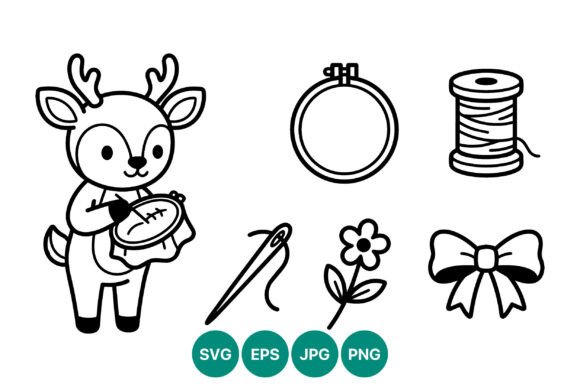
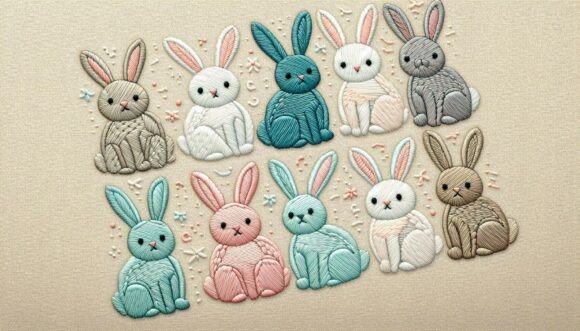
As an experienced embroidery designer, I evaluate every graphic asset through the lens of production viability and brand longevity. When reviewing Embroidery Bunnies for small business merchandise, my primary focus is not just aesthetic appeal, but how these illustrations translate into tangible, profitable products. This package provides four high-resolution JPEG digital illustration and clipart files intended for marketing materials and website illustrations. However, for apparel decorators, Etsy sellers, and handmade brands, the true value lies in adapting these graphics into a viable machine embroidery design. Below is my professional assessment of using Embroidery Bunnies for branded patches, uniforms, and commercial merchandise.
Visual Personality and Brand Identity Assessment
First impressions matter immensely in brand identity. Based on the title and description, Embroidery Bunnies suggests a visual personality that is inherently friendly, approachable, and artisanal. For a small business, this imagery communicates warmth and handcrafted quality, which is essential for bakeries, florists, pet brands, and children’s boutiques. Unlike corporate geometric logos, these illustrations carry an emotional weight that fosters customer trust and engagement.
From a design perspective, bunny motifs typically feature organic curves and soft edges. This is advantageous for custom apparel because it avoids the harsh, industrial look of rigid vector art. However, as a designer, I must caution that "illustration" implies detail. Before digitizing, you must determine if the specific style of Embroidery Bunnies is bold enough for thread or if it relies on fine lines better suited for print. For a premium handmade product line, the rustic or elegant nature of these graphics can elevate perceived value, provided the translation from screen to stitch maintains the integrity of the original art.
Real-World Applications for Small Business Merch
The versatility of Embroidery Bunnies makes them excellent candidates for various small business merch applications. Here is how I envision these assets performing in a commercial embroidery context:
- Embroidered Patches: These are ideal for branding without committing to permanent garment decoration. A bunny motif works beautifully as a morale patch for staff or a collectible add-on for customers. The organic shape allows for unique die-cut borders that stand out against standard circular patches.
- Apron Embroidery: For cafés and florists, placing a bunny design on the chest or pocket of an apron creates immediate thematic consistency. It serves as a subtle logo accent rather than an overpowering advertisement, enhancing the boutique atmosphere.
- Tote Bag Design: Canvas totes offer a stable, flat surface perfect for detailed illustrations. Embroidery Bunnies can serve as the centerpiece of a reusable shopping bag, turning a functional item into a walking billboard for your handmade brand.
- Cap Embroidery: While challenging, a simplified version of these bunnies can work on unstructured caps. This is particularly effective for pet brands or outdoor-focused businesses looking for a softer alternative to aggressive sports logos.
- Product Packaging Accents: Beyond apparel, use the high-resolution JPEGs to create printable tags or thank-you cards that match your embroidered goods, ensuring visual consistency across all touchpoints.
Production Constraints and Technical Considerations
While the artistic potential is high, technical execution requires diligence. Because this package contains digital illustrations rather than pre-digitized files, you or your digitizer must interpret the art for needle and thread. There are specific areas where Embroidery Bunnies should be used carefully:
Size and Detail Limitations
Bunny illustrations often include intricate fur textures or facial details. In commercial embroidery, reducing these designs to small patch sizes (under 3 inches) can result in mud. Fine lines may disappear, and dense fill stitches can cause fabric puckering. Always prioritize silhouette clarity over internal detail when scaling down for sleeve cuffs or hat fronts.
Fabric Texture and Stabilizer Selection
The performance of Embroidery Bunnies will vary drastically based on fabric texture. On smooth cotton twill or canvas, the design will render crisply. On textured linen or knit fabrics, details may get lost. You must select the appropriate stabilizer to support the stitch density. For heavier designs on tote bags, use a cut-away stabilizer; for lighter aprons, a tear-away may suffice to prevent stiffness. Ignoring this step is the most common cause of poor registration in finished products.
Washability and Durability
If these designs are intended for staff uniforms or items requiring frequent washing, avoid excessive satin stitches or tiny text elements. High stitch density areas can trap moisture and take longer to dry, while delicate outlines may fray over time. Ensure the digitized version of Embroidery Bunnies includes proper underlay to anchor the design securely to the garment.
Strategic Value for Handmade Brands and Etsy Sellers
For Etsy sellers and creative studios, Embroidery Bunnies offers more than just decoration; it offers differentiation. In a saturated market, cohesive design assets help build recognition. Using these illustrations across your website, social media, and physical merchandise creates a unified brand experience. When a customer sees the same bunny motif on your Instagram post and then receives it embroidered on their order, it reinforces professionalism and attention to detail.
Furthermore, these graphics facilitate the creation of accurate printable mockups. Since the package includes high-resolution JPEGs, you can overlay them onto product photos to show clients exactly what the final result will look like before running a single stitch. This reduces approval times and manages expectations, which is critical for custom apparel businesses.
Essential Designer Notes for Implementation
Before adding Embroidery Bunnies to your production lineup, adhere to this professional checklist to ensure success:
- Verify Commercial Licensing: The product description mentions use for marketing and website illustrations. You must confirm if the license extends to physical merchandise and digital embroidery file creation for sale or business use. Never assume commercial rights for apparel without explicit verification.
- Test in Black and White: Before committing to color, view the illustration in grayscale. If the design loses definition without color contrast, it will likely fail in embroidery. Good machine embroidery designs rely on value contrast, not just hue.
- Create a Physical Sample: Digital screens are deceptive. Always stitch out a test run on the actual fabric you intend to use. Check for gaps between outline and fill, verify that the hoop size accommodates the design comfortably, and assess the hand-feel of the embroidery.
- Evaluate Thread Colors: Illustrations often use gradients that thread cannot replicate. Work with your digitizer to map thread colors that capture the essence of the art without attempting impossible shading. Sometimes, fewer colors yield a cleaner, more professional result.
- Compare Beside Other Assets: Ensure Embroidery Bunnies visually aligns with your existing fonts and logos. If your current branding is minimalist and modern, a highly ornate bunny might clash. Visual consistency builds buyer engagement.
Embroidery Bunnies presents a charming opportunity for small businesses to soften their brand image and connect emotionally with customers. By treating these illustrations as foundational assets for finished product development rather than mere clipart, you can create merchandise that feels intentional, high-quality, and distinctly yours. Always bridge the gap between digital art and textile reality with thorough testing and professional digitizing standards.