Tea Cup Brew Happiness: Hand Embroidery Review
As I prepare my booth inventory for the upcoming weekend craft fair, I am constantly evaluating which designs will actually move off the table. When reviewing the Tea Cup Brew Happiness - Hand Embroidery pattern, my primary focus is on its commercial viability for handmade sellers and boutique makers. This design immediately strikes me as a warm, inviting piece that bridges the gap between modern minimalism and cozy farmhouse aesthetics. It does not feel overly ornate or dated; instead, it possesses a soft elegance that appeals to customers looking for comforting, giftable items. For an Etsy seller or small shop product line, this mood is essential because it triggers an emotional connection before the buyer even examines the stitch quality.
Evaluating Market Viability for Craft Fair Products
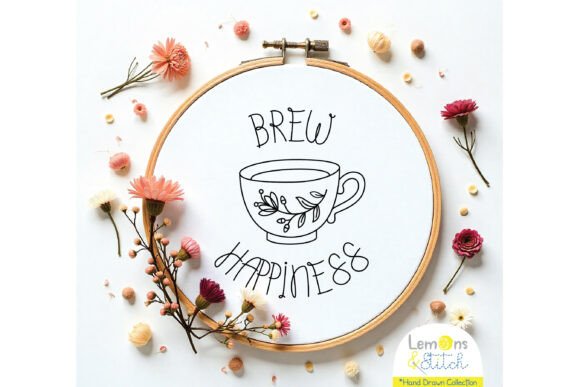
When setting up a physical display, visual hierarchy matters. The Tea Cup Brew Happiness - Hand Embroidery design functions exceptionally well as a focal point on lighter-colored textiles. In my assessment of booth samples, this pattern shines brightest on tea towel embroidery projects and linen tote bag designs. The phrase "Brew Happiness" combined with the cup motif creates a clear narrative that customers understand instantly from three feet away. Unlike abstract art, this design communicates function and feeling simultaneously, which is crucial for high-traffic market environments where attention spans are short.
For those producing apron embroidery or kitchen linens, this pattern offers a versatile aesthetic that fits both rustic and contemporary home decor styles. However, I would advise against using this specific hand stitching template for caps or heavily textured terry cloth towels at smaller sizes. The intricate nature of hand embroidery requires a stable, smooth fabric texture to maintain legibility. While it could work as an embroidered patch if scaled appropriately, the design’s delicate lines are best showcased on flat-weave cottons, linens, or canvas market bags where the needlepoint-style stitches can lie flat and remain visible.
Production Practicalities for Handmade Sellers
A major advantage for creative entrepreneurs is the scalability of this design. Being available in 3, 4, 5, 6, 7, and 8-inch variations allows for efficient batch production across different product categories. A 3-inch version serves as a perfect accent for fabric pouches or pocket details, while the 7 or 8-inch size transforms a simple pillow cover into a premium statement piece. This flexibility is vital for managing inventory without purchasing multiple distinct patterns. Furthermore, because this is printed on letter-size paper, transferring the design onto fabric is straightforward, reducing prep time during busy production weeks.
It is critical to emphasize that this is strictly a needlepoint template for hand stitching and is not suitable for machine embroidery. As a designer, I appreciate this distinction because it protects the integrity of the handmade product label. Customers at craft fairs and online marketplaces are increasingly savvy; they can distinguish between a digitized machine embroidery design and authentic hand-stitched art. Marketing this correctly as a slow-craft item justifies a higher price point and attracts buyers who value traditional techniques over mass-produced digital embroidery files.
Visual Appeal and Online Listing Strategy
For digital sellers and Etsy shop owners, photography is just as important as the stitching itself. The Tea Cup Brew Happiness - Hand Embroidery pattern photographs beautifully due to its balanced composition. When creating a printable mockup or listing photo, ensure you capture the texture of the thread. Flat lighting washes out hand embroidery, so use natural side-lighting to highlight the raised stitches. This tactile quality is what sells handmade goods online. Additionally, because the design includes text, verify that your thread colors provide sufficient contrast against the fabric. White thread on cream fabric may look elegant in person but often disappears in thumbnail images. Opt for deeper tones like sage green, terracotta, or navy to ensure the "Brew Happiness" message remains readable in search results.
Brand consistency is another factor where this design excels. If your shop focuses on cozy living, tea culture, or cottagecore aesthetics, this pattern reinforces that identity. It pairs naturally with other botanical or culinary-themed hand embroidery patterns, allowing you to create cohesive collections rather than disjointed singles. Collections encourage multi-item purchases, increasing the average order value for small business owners.
Critical Technical Notes for Stitchers
Before committing to a full production run, experienced makers must address specific technical challenges inherent to this style:
- Lettering Clarity: At the 3-inch and 4-inch sizes, the script in "Brew Happiness" may become difficult to read if stitched with thick pearl cotton. Test finer strands or switch to a stem stitch for text at smaller dimensions to preserve legibility.
- Fabric Selection: Avoid dark fabrics unless you are confident in your transfer method and thread opacity. Dark backgrounds can make the design recede visually, reducing its impact as a craft fair product.
- Stitch Density: Since this is a needlepoint-inspired template, be mindful of stitch density on lightweight fabrics. Heavy coverage can cause puckering. Always use an appropriate stabilizer or hoop tension to keep the ground fabric taut.
- Curved Surfaces: Do not attempt this design on curved cap surfaces or uneven seams. The geometric balance of the tea cup relies on a flat plane; distortion will ruin the professional finish expected by boutique buyers.
Designer Recommendations for Commercial Success
To maximize the return on investment for this design asset, follow these practical steps before listing any finished product for sale:
- Create a Physical Mockup: Never rely solely on digital previews. Stitch at least one sample on your intended selling fabric to check spacing and scale.
- Verify Licensing: Before selling finished items at a market or online, confirm the commercial licensing terms included with the pattern. Protect your business by ensuring you have the right to sell derivatives of this graphic.
- Test Thread Contrast: View your stitched sample in both bright daylight and indoor evening light. What looks good in the studio might vanish under craft fair tent lighting.
- Check Hoop Size Compatibility: Ensure your largest intended size (8 inches) fits comfortably within your hoops with adequate margin for tensioning. Running out of space mid-stitch compromises quality.
- Document Your Process: Because this is a hand embroidery pattern, record videos or photos of the stitching process. Behind-the-scenes content performs exceptionally well on social media and validates the handmade nature of your commercial embroidery products.
The Tea Cup Brew Happiness - Hand Embroidery pattern represents a strong opportunity for makers who understand their audience. It is not merely a graphic; it is a vessel for storytelling that resonates with tea lovers and gift shoppers alike. By respecting the technical limitations of hand stitching and leveraging the design's inherent warmth, sellers can create a profitable, repeatable product line that stands out in a crowded handmade marketplace. Whether you are stocking an Etsy shop or preparing for a weekend market, this design offers the versatility and charm necessary to turn browsers into loyal customers.