Boho Daisy Flower Embroidery: A Designer's Review
As a professional embroidery designer and product reviewer, I approach every new digital file with a critical eye. It is not enough for a design to look beautiful on a screen; it must perform under the needle and add tangible value to the final handmade product. When evaluating the Boho Daisy Flower Embroidery, my primary focus is on how this rustic daisy flower pattern translates from a digital concept to a physical stitch-out. For fellow Etsy sellers, apparel decorators, and creative entrepreneurs, understanding the practical application of this machine embroidery design is essential before integrating it into your commercial or personal catalog.
First Impressions and Visual Personality
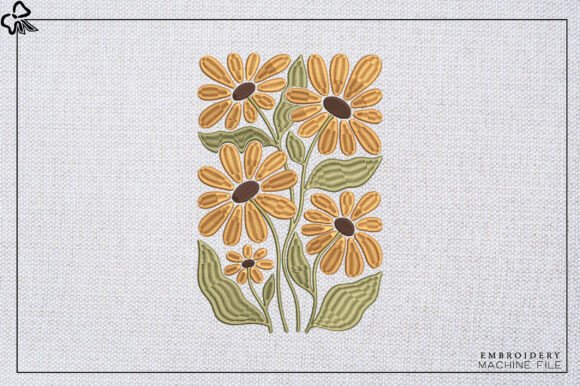
Upon opening the embroidery file, the immediate impression is one of organic warmth. The Boho Daisy Flower Embroidery captures a specific aesthetic that sits comfortably between vintage nostalgia and modern cottagecore. Unlike rigid, geometric floral designs, this pattern exhibits the slight irregularities and soft curves characteristic of true bohemian style. For a designer, this visual personality suggests versatility. It does not scream "trend"; instead, it whispers "timeless," which is crucial for small shop products intended to have shelf life beyond a single season.
The layout of the Single Flowers category design feels balanced without being perfectly symmetrical. This is a positive indicator for real-world use. Perfect symmetry can sometimes appear robotic on fabric, whereas this rustic daisy flower pattern mimics natural growth. When I visualize this as an embroidered patch or a centerpiece on a tote bag design, the organic flow ensures it will look intentional rather than stamped on. The mood is gentle and inviting, making it particularly suitable for personalized gifts, nursery decor, and boutique branding that aims to evoke comfort and nature.
Real-World Application: The Custom Tote Bag Test
To truly judge this design, I mentally placed it in a specific production scenario: creating a line of custom embroidered tote bags for a summer craft fair. Canvas and linen are unforgiving fabrics; they have texture that can swallow fine details. In this context, the Boho Daisy Flower Embroidery shows significant promise. The design appears to utilize a mix of fill stitch and satin stitch elements that are substantial enough to stand out against the woven grain of canvas.
For this project, I would position the daisy slightly off-center to allow room for personalized text or a monogram below. This flexibility is vital for Etsy sellers who offer customization. The rustic nature of the flower complements unbleached cotton and natural linen beautifully. If I were stitching this for a client, I would anticipate the design holding its shape well during the hooping process. However, because tote bags often carry weight, the stitch density must be sufficient to prevent the fabric from puckering around the motif. Based on the visual structure of this digital embroidery file, it seems optimized for medium-weight stability, but verifying this on scrap fabric is always the first step in my workflow.
Fabric Compatibility and Technical Considerations
While the Boho Daisy Flower Embroidery is versatile, no design is universal. As makers, we must recognize where a design shines and where it requires caution. This pattern is ideal for stable, natural fibers like cotton, denim, linen, and canvas. These fabrics provide the necessary foundation for the stitch types typically found in floral embroidery.
However, I would advise caution when applying this to high-stretch knits or very sheer fabrics without significant modification. If you are planning sweatshirt embroidery, the stretch of the fleece or jersey requires a cut-away stabilizer and potentially a topping to prevent the stitches from sinking into the pile. For baby embroidery on onesies, the design’s size and density must be checked rigorously. A dense satin stitch on thin knit can create a stiff, uncomfortable spot against sensitive skin. In such cases, you might need to edit the embroidery file to reduce density or swap heavy fills for running stitch outlines to maintain the garment's drape.
Dark fabrics present another consideration. Boho palettes often rely on muted tones. If stitching on navy or charcoal, ensure your thread colors have enough contrast to define the petals and center. Without adequate contrast, the intricate details of the rustic daisy flower pattern may get lost visually, diminishing the perceived value of the finished product.
Elevating Product Value and Brand Consistency
For creative entrepreneurs, the choice of design assets directly impacts customer trust and brand recognition. Using high-quality, well-digitized designs like the Boho Daisy Flower Embroidery signals professionalism. Customers can distinguish between a hastily downloaded freebie and a thoughtfully constructed design. Clean registration, appropriate underlay, and smooth satin columns contribute to a premium feel.
This specific design supports a cohesive brand identity for shops focusing on handmade, eco-friendly, or slow-fashion niches. Whether used on aprons, tea towels, or holiday embroidery projects, the consistent use of this aesthetic helps build a recognizable portfolio. Furthermore, for those selling digital products or printable mockups, this design’s clear silhouette and pleasing composition make it excellent for marketing materials. It photographs well and scales effectively in previews, helping to drive buyer engagement before the needle even touches the fabric.
Essential Designer Notes for Success
Before adding the Boho Daisy Flower Embroidery to your next commercial embroidery run or personal project, adhere to these practical guidelines to ensure professional results:
- Always Test Stitch: Never assume a digital file is perfect for your specific machine and fabric combination. Run a test on scrap material identical to your final project to check tension, registration, and overall appearance.
- Verify Specifications: Check the included documentation for exact stitch count, hoop size requirements, and format compatibility. Do not guess these technical details.
- Review Licensing: Confirm whether your purchase includes commercial rights for selling finished items or if it is limited to personal use. Respecting intellectual property is fundamental to a sustainable craft business.
- Stabilizer Selection: Match your stabilizer to the fabric weight. Use tear-away for stable wovens and cut-away for stretchy knits to ensure the Boho Daisy Flower Embroidery remains crisp after washing.
- Thread Color Planning: Test thread colors in natural lighting. Screen colors often differ from physical threads. Create a color chart mockup to ensure the boho palette translates accurately to the finished product.
- Maintenance Awareness: Consider the end-use. If the item requires frequent hot washing (like kitchen towels), ensure the design density and thread type can withstand abrasion. Rayon may fade faster than polyester in harsh conditions.
Final Thoughts for Makers
The Boho Daisy Flower Embroidery represents a strong addition to any digitizer’s or embroiderer’s library. Its strength lies in its adaptability and its authentic rustic charm. By understanding its technical requirements and best-use scenarios, you can transform this digital embroidery file into stunning, sellable goods. Whether you are crafting a personalized gift for a loved one or expanding your Etsy shop’s inventory, approaching this design with professional mindfulness will yield results that honor both the art of embroidery and the expectations of your customers. Remember, the quality of your finished product is a direct reflection of the care taken in selecting and executing your design assets.