Cute Duck Embroidery Design File Review
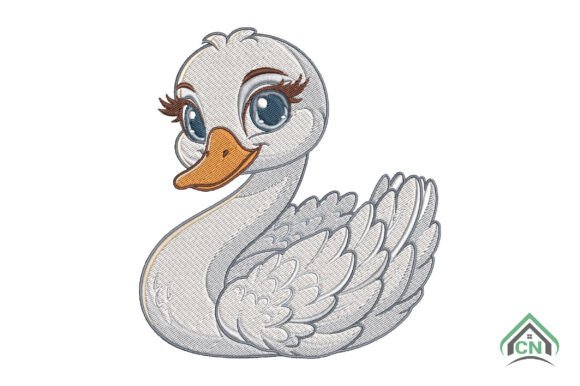
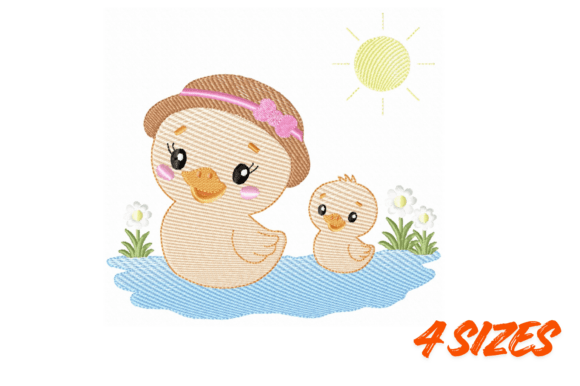
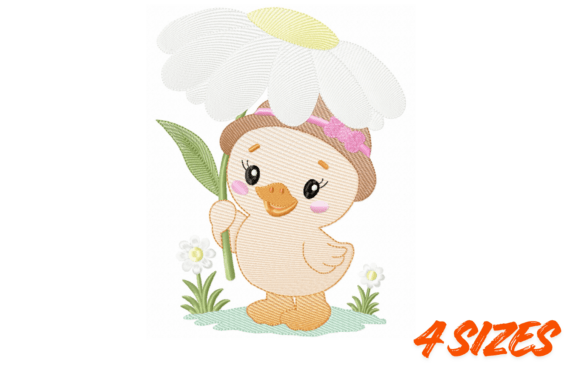
As I prepare my booth inventory for the upcoming weekend craft fair, I am constantly evaluating which digital assets will translate best into physical sales. The Cute Duck Embroidery Design File immediately caught my attention as a potential anchor piece for my spring and nursery collections. When reviewing a new machine embroidery design for commercial production, I look beyond the screen preview to assess stitch integrity, marketability, and versatility across different blank products. This sweet duck embroidery design holding a large daisy flower offers a distinct aesthetic that bridges the gap between traditional farm animals and modern nursery decor, making it a strong contender for handmade product lines targeting parents and gift-givers.
First Impressions and Aesthetic Appeal
Upon opening the embroidery file, the first impression is undeniably soft and inviting. The description highlights pastel colors and a charming nursery theme, which aligns perfectly with current trends in boutique baby items and cottagecore aesthetics. Unlike generic farm animal designs that can sometimes feel too rustic or cartoonish, this design leans into an elegant, vintage-inspired sweetness. The large daisy acts as a visual anchor, balancing the composition and providing ample space for color variation. For an Etsy seller or small shop product creator, this specific mood is crucial; it signals "handmade quality" rather than mass-produced clip art. The soft palette suggests that this design will photograph beautifully for printable mockups and social media, capturing the gentle lighting often associated with high-end children’s goods.
Performance Across Craft Fair Products
Evaluating where this design fits in a physical booth display requires testing it on various substrates. Based on the design's characteristics, here is how I project it will perform on key items:
- Baby Blankets and Nursery Decor: This is the primary use case. The pastel thread colors against white or cream minky fabric create a premium look. As a focal point on a receiving blanket or pillow cover, the design justifies a higher price point due to its perceived delicacy and thematic relevance.
- Tea Towel Embroidery: While farm animals are popular for kitchen linens, the daisy element elevates this from a standard barnyard motif to something more decorative. It works exceptionally well on flour sack towels where the texture complements the organic feel of the flower.
- Tote Bag Design: For market bags and canvas totes, this design serves as a lovely accent. However, because of the pastel tones, I recommend using natural unbleached canvas rather than stark white to maintain warmth. The daisy provides enough contrast to remain visible from a distance at a busy craft fair table.
- Apron Embroidery: This is a niche but profitable application. Placing the duck on the bib of a linen apron appeals to customers looking for gardening or baking accessories that match their home decor style.
- Embroidered Patches: If sized correctly, this design can be converted into a patch. The solid fill areas typical of such designs make for clean edges when creating merrowed borders, allowing for versatile add-on sales.
Production Practicalities and Selling Points
For creative entrepreneurs, time is money. A design must be efficient to produce while maintaining high standards. The Cute Duck Embroidery Design File appears optimized for batch production, particularly for items like burp cloths or washcloths where multiple units are needed. The combination of the duck and daisy creates a self-contained scene, eliminating the need to add extra text or embellishments to make the product feel complete. This reduces hooping time and thread changes.
From a selling perspective, the design’s clarity is a major asset. At a glance, customers can identify the subject matter without squinting. This instant recognition is vital for booth displays where shoppers scan tables quickly. Furthermore, the gender-neutral nature of many pastel palettes broadens the customer base, making it suitable for any baby shower gift regardless of the recipient. For digital sellers offering finished products, this versatility increases the return on investment for the initial digitizing purchase.
Critical Technical Considerations for Makers
Despite its charm, working with detailed nursery themes requires technical vigilance. Before listing this as a commercial embroidery product, consider these careful-use notes:
- Stitch Density and Fabric Texture: Pastel threads can sometimes get lost in high-pile fabrics like terry cloth or plush fleece. Always test the stitch density on your specific blank. You may need to increase underlay stitches or use a water-soluble topping to prevent the daisy petals from sinking into the fabric texture.
- Small Detail Clarity: If you plan to resize this design for smaller items like baby socks or cap fronts, verify that the duck’s facial features and the daisy center remain distinct. Tiny details can become muddy if reduced below the recommended size threshold.
- Thread Color Matching: "Soft pastel" can vary wildly between brands. Create a physical color chart before production. Ensure the yellow of the duck and the petals have enough contrast so they don't blend together visually, especially in low-light indoor fair environments.
- Stabilizer Selection: For lightweight nursery fabrics like cotton voile or double gauze, use a high-quality cut-away stabilizer to prevent puckering around the dense satin stitches likely found in the flower outline. Puckering devalues the handmade product instantly.
Designer Notes for Professional Results
To ensure the Cute Duck Embroidery Design File meets professional retail standards, follow this pre-production checklist. Never assume a digital file is ready-to-stitch without verification.
- Test Stitch Out: Always run a sample on scrap fabric identical to your final product. Check for registration issues between the duck and the daisy.
- Hoop Size Confirmation: Verify the design dimensions fit comfortably within your hoop with adequate margin for stabilization. Over-tightening can distort delicate floral elements.
- Mockup Creation: Photograph your test stitch-out in natural light. Use this real image for listings rather than relying solely on software renderings. Customers trust photos of actual embroidered patches and finished goods over digital previews.
- Licensing Check: Confirm the commercial licensing terms included with the file. Ensure you are permitted to sell finished products at craft fairs and online platforms like Etsy.
- Brand Consistency: Compare the pastel shades against your existing inventory. Does this duck match your shop’s color story? Cohesive branding helps build customer loyalty and makes your booth display look curated.
Maximizing Value in Handmade Markets
Ultimately, the success of the Cute Duck Embroidery Design File lies in how it is presented. In the Farm Animals category, differentiation is key. By emphasizing the daisy and the soft colorway in your product descriptions and signage, you position the item as nursery decor rather than just another animal graphic. Pair embroidered tea towels with matching pot holders, or bundle baby blankets with coordinating bibs to increase average order value.
For those selling digital embroidery files or design assets, highlight the versatility of this motif in your marketing. Show potential buyers how it adapts from a large pillow centerpiece to a small pocket accent. Demonstrating this range proves the file's worth to other makers. Whether you are stitching for a weekend market or fulfilling custom Etsy orders, this design offers the perfect blend of emotional appeal and production viability required for a successful handmade business. Remember to always respect copyright and check specific file details regarding formats and sizes before beginning your next production run.