Floral Cow Embroidery Design: A Maker's Review
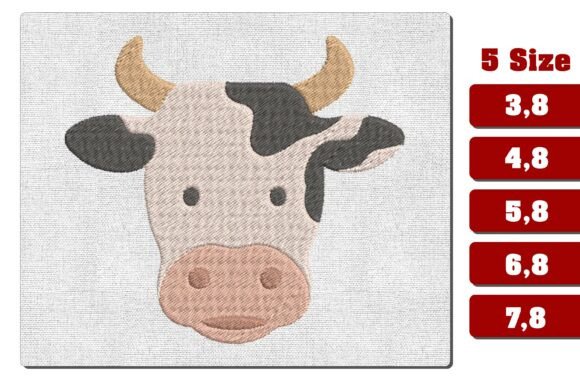
As an experienced embroidery designer preparing for a busy weekend craft fair, I evaluate every new digitized file through a strict commercial lens. It is not enough for a design to be cute on a screen; it must translate into a profitable handmade product that catches the eye of a passerby in a crowded market booth. When reviewing the Floral Cow Embroidery Design, my immediate assessment focuses on its versatility within the cottagecore and modern farmhouse niches. This is not merely a novelty graphic; it is a strategic asset for sellers targeting customers who appreciate whimsical yet sophisticated aesthetics.
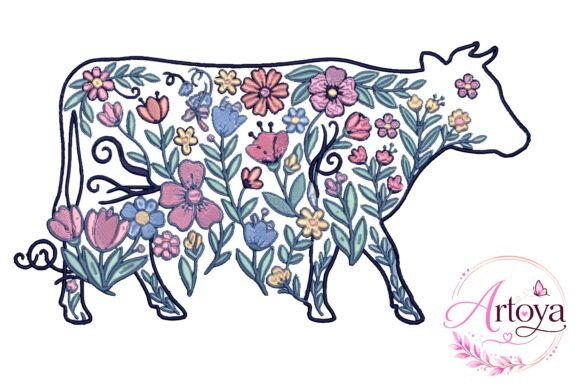
The first impression of this machine embroidery design strikes a delicate balance between rustic charm and botanical elegance. Unlike generic farm animal clipart that can feel juvenile, the integration of floral elements elevates the bovine subject matter into something suitable for adult home decor and fashion accessories. For a vendor table, this distinction is critical. The design feels soft and decorative rather than cartoonish, making it appropriate for higher price-point items like linen pillow covers or premium canvas tote bags. It possesses a visual warmth that invites touch, which is essential for converting booth visitors into buyers.
Evaluating Market Viability Across Product Lines
When planning inventory for a craft fair or updating an Etsy shop, I categorize designs by their best-selling substrate. The Floral Cow Embroidery Design performs exceptionally well across several key categories, but success depends on matching the design’s personality to the right blank.
- Tote Bag Design: This is arguably the strongest application for this file. Canvas tote bags are high-volume sellers at markets. The botanical cow motif serves as a central focal point that appeals to shoppers looking for unique, nature-inspired carryalls. Because totes offer a large, flat stitching area, the intricate details of the flowers remain crisp and legible from a distance.
- Tea Towel Embroidery: Kitchen linens are staple items for farmhouse enthusiasts. This design works beautifully on flour sack towels or waffle-weave cotton. However, because tea towels are functional items, the placement matters. Stitching the design in the lower third or centered creates a balanced look that doesn't interfere with the towel's utility while showcasing the artistry.
- Apron Embroidery: For boutique makers selling to bakers and gardeners, this pattern adds a personalized touch. The whimsical nature of the cow fits perfectly on bib-style aprons. As an Etsy seller, listing aprons with this specific design can help capture search traffic for "cottagecore kitchen wear" and "farmhouse cooking gifts."
- Embroidered Patches: Creating standalone patches allows for flexible inventory. If you have limited space at a booth, patches take up minimal room but offer high margins. This design translates well to patch format, provided the border is secure and the internal details are not lost when scaled down.
Production Practicalities and Booth Display Strategy
A beautiful digital embroidery file is useless if it causes production bottlenecks. From a manufacturing standpoint, the Floral Cow Embroidery Design appears optimized for batch production, which is vital when stocking up for a weekend event. The color changes seem logical, minimizing thread swaps and reducing overall run time. For a small shop product line, efficiency equals profit.
Visually, this design strengthens booth displays by providing a cohesive theme. When displayed alongside other botanical or farm-themed items, it creates a curated collection rather than a disjointed assortment. Customers are more likely to purchase multiple items when they see a consistent aesthetic. Furthermore, the design photographs exceptionally well for online listings. The contrast between the organic shapes of the flowers and the recognizable silhouette of the cow creates natural focal points for camera lenses. When creating a printable mockup or photographing finished goods, ensure natural lighting is used to highlight the texture of the stitches, as this emphasizes the handmade quality over mass-produced prints.
Critical Technical Considerations for Makers
While the aesthetic appeal is high, professional execution requires attention to technical variables. Before committing to a full production run, consider these practical constraints:
- Stitch Density and Fabric Texture: Botanical designs often involve satin stitch petals and fill stitch leaves. If stitching on textured fabrics like terry cloth or slub linen, the detail may get lost. Always use an appropriate water-soluble topping to prevent stitches from sinking into the fabric pile. Check the stitch density settings; if the design is too dense for lightweight tea towels, it may cause puckering or fabric distortion.
- Hoop Size and Scaling: Verify the native hoop size before purchasing or stitching. While resizing is possible, reducing a complex floral cow design by more than 20% can result in thread breaks and illegible details. Conversely, enlarging it significantly without proper software re-digitization can lead to gaps in coverage. Test the limits of your specific machine and hoop combination.
- Thread Colors and Contrast: The success of this embroidery file relies heavily on color choice. Cottagecore palettes typically feature muted sages, dusty roses, and warm creams. Avoid neon or overly saturated primary colors unless aiming for a specific retro vibe. On dark fabrics, ensure there is sufficient contrast or utilize a light underlay to make the botanical elements pop.
- Stabilizer Selection: Never skip stabilizer testing. For stretchy knits or unstructured caps, a cut-away stabilizer is non-negotiable to maintain registration. For woven tote bags and aprons, a medium-weight tear-away usually suffices. Improper stabilization is the most common reason a professional-looking design ends up looking amateurish.
Commercial Licensing and Business Best Practices
For creative entrepreneurs and commercial embroidery businesses, verifying usage rights is the first step in production. Always confirm the licensing terms included with the Floral Cow Embroidery Design. Most designers permit the sale of physical finished products but prohibit the resale or sharing of the digital file itself. Respecting these terms protects the integrity of the maker community and ensures your business operates ethically.
Additionally, treat this design as part of your broader brand identity. If your shop specializes in minimalist geometric art, a whimsical floral cow might confuse your customer base. However, if your brand celebrates rural living, gardening, or cozy home aesthetics, this design reinforces your niche authority. Use it to cross-sell related design assets; for example, pair the cow tote bag with matching floral coasters or herb garden markers to increase average order value.
Finally, never rely solely on digital previews. Create at least one physical sample on your intended end product before listing it for sale. Inspect the sample for jump stitch management, tension issues, and overall tactile quality. Does the design feel stiff? Is the back messy? These factors determine whether a customer perceives your work as premium handmade art or cheap craft fair fodder. By applying rigorous professional standards to the Floral Cow Embroidery Design, you transform a simple digital file into a reliable revenue stream that delights customers both online and in person.