Lace Style Butterfly Embroidery: A Designer’s Review
When evaluating a new machine embroidery design for professional or commercial use, my first question is always about structural integrity versus visual delicacy. The Lace Style Butterfly Embroidery immediately catches the eye because it promises an elegant, open-frame charm that deviates from standard solid-fill motifs. As a designer who frequently creates custom apparel and boutique merchandise, I look for designs that strip away heavy interior fabric bulk for a lighter, more refined finish. This specific butterfly design leans heavily into filigree and lace aesthetics, which changes how we must approach stabilization, fabric selection, and end-use application compared to traditional bug-themed embroidery.
First Impressions and Visual Personality
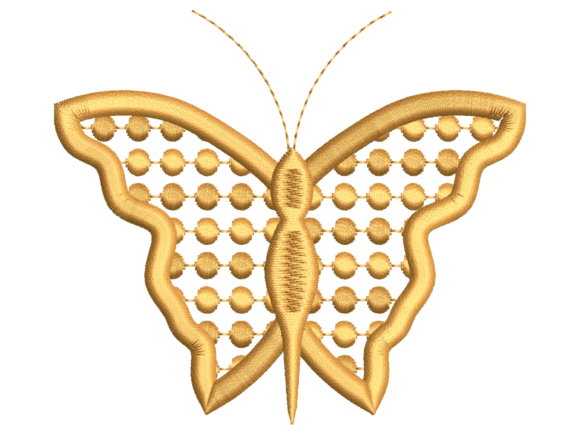
Upon loading the embroidery file, the layout suggests a sophisticated interpretation of nature rather than a cartoonish representation. The intricate golden filigree style implies a reliance on precise satin stitch columns and connecting running stitch networks rather than dense fill stitch areas. For an Etsy seller or maker focusing on feminine, vintage, or high-end handmade products, this mood is invaluable. It feels less like a generic craft project and more like a deliberate design asset intended to elevate the perceived value of the finished product.
The open-frame nature of this Lace Style Butterfly Embroidery means the background fabric becomes part of the design itself. This is a critical distinction. Unlike a solid patch where the fabric is merely a canvas, here the textile provides the negative space that defines the butterfly’s wings. This makes the design exceptionally versatile for projects where breathability and drape are paramount, such as lightweight summer garments or delicate home decor.
Real-World Application: Stitching a Custom Tote Bag
To truly judge the viability of this design, I recently tested it on a natural linen tote bag design prototype intended for a spring market collection. Linen has a distinct fabric texture that can sometimes interfere with fine details, making it the perfect stress test for lace-style artwork. My goal was to create a personalized gift option that felt airy and expensive, avoiding the stiff, bulletproof feel that often plagues embroidered bags.
During the stitching process, the lack of heavy internal fill allowed the linen to maintain its natural drape. The butterfly did not pucker the surrounding area, a common issue when embroidering large bugs or nature motifs on unstructured fabrics. However, because the design relies on open spaces, the contrast between the golden thread and the natural linen was vital. If you are planning commercial embroidery on varied backgrounds, be aware that this design demands intentional color choices. On the linen, the gold popped beautifully, creating a luxe aesthetic. Had I used a yellow thread instead, the definition would have been lost in the weave. For small shop product lines, this level of intentionality separates professional goods from amateur crafts.
Navigating Fabric Choices and Stabilization
While the Lace Style Butterfly Embroidery is stunning, it requires technical respect. The open-frame construction means there is less thread anchoring the design to the substrate. When working with stretchy fabrics for sweatshirt embroidery or custom apparel, you cannot rely on the design's density to prevent distortion. You must use a high-quality stabilizer. For knits, I recommend a cut-away stabilizer to provide permanent support for those delicate filigree connections. Using a tear-away might result in the lace warping after the first wash, compromising the professionalism of your handmade product.
Conversely, exercise extreme caution when applying this to very thin or sheer fabrics for baby embroidery or bridal wear. While the lightness is appealing, the tension required for satin stitches in a lace pattern can pull delicate fibers. Always test on a scrap piece of the exact material first. If you are creating holiday embroidery items like ornaments or stockings, ensure the base fabric has enough body to support the span of the wings without sagging. For textured surfaces like terry cloth towels or fleece blankets, consider using a water-soluble topping to prevent the intricate details from sinking into the pile, which would obscure the beautiful openwork effect.
Strategic Placement and Sizing Considerations
Not all hoop size options are created equal for lace designs. Before purchasing or stitching, verify the dimensions against your intended placement. Resizing lace-style embroidery is riskier than resizing solid fills. Reducing the size too much can cause the satin columns to merge, turning open filigree into a solid, muddy mess. Enlarging it excessively can leave gaps between stitches that were designed to touch. Always check the digitizer’s recommended size range within the digital embroidery file metadata.
For craft business owners selling on platforms like Etsy, presentation is everything. Because this design is visually complex, it photographs best when the background is considered. When creating a printable mockup or listing photo, avoid busy backgrounds that compete with the open frames. A solid, contrasting backdrop allows customers to instantly understand the scale and intricacy of the work. This clarity builds customer trust and reduces returns caused by mismatched expectations regarding detail level.
Professional Notes for Makers and Sellers
If you are integrating Lace Style Butterfly Embroidery into your production workflow, keep these practical checkpoints in mind:
- Thread Color Testing: Never assume a thread color will work based on screen previews. Stitch out a color chart on your actual project fabric. The interplay of light through the open frames changes how color is perceived.
- Licensing Verification: Before selling finished items or using the design in design assets for sale, confirm the licensing terms. Some designers restrict commercial use of lace patterns or require attribution.
- Needle Selection: For intricate filigree, a sharp needle (like a 75/11) often yields cleaner perforations than a universal needle, especially on woven fabrics. This ensures the lace edges remain crisp rather than frayed.
- Washability Assessment: Open-frame designs can be more susceptible to snagging. If producing custom apparel or children's items that require frequent laundering, consider whether the end-user will care for it properly. You may need to include care instructions specifically addressing the embroidered area.
- Mockup Accuracy: When designing digital product listings or previews, ensure your mockups accurately represent the transparency of the design. Misleading customers into thinking it is a solid applique when it is actually open lace damages brand reputation.
Elevating Product Value Through Design Choice
Ultimately, the Lace Style Butterfly Embroidery serves as a powerful tool for differentiation. In a market saturated with standard fills and basic outlines, offering a design that emphasizes negative space and architectural thread work signals a higher tier of craftsmanship. Whether you are embellishing a nursery pillow, personalizing a wedding gift, or building a cohesive brand identity for your Etsy seller shop, this design brings a maturity that resonates with buyers seeking quality over quantity.
By treating this embroidery project with the technical consideration it deserves—respecting stabilization needs, fabric compatibility, and sizing constraints—you transform a simple digital file into a tangible asset that drives engagement and sales. It is not just a picture of a bug; it is a study in textile engineering and aesthetic balance that, when executed correctly, significantly enhances the desirability of your creative output.