Triple Bee Embroidery Design: A Pro Review
As a professional embroidery designer who specializes in commercial branding and small business merchandise, I approach every new machine embroidery design with a critical eye. When evaluating the Triple Bee Embroidery Design for potential use in branded apparel and patches, my primary focus is not just on aesthetics, but on production viability. The product description promises a "quick, smooth and perfect stitch out" because it has been manually digitized. For business owners running Etsy shops, local cafés, or boutique brands, this distinction is vital. Manual digitizing typically results in cleaner stitch paths and fewer trims compared to auto-digitized files, which directly translates to faster production times and a more professional finished product.
Visual Personality and Brand Alignment
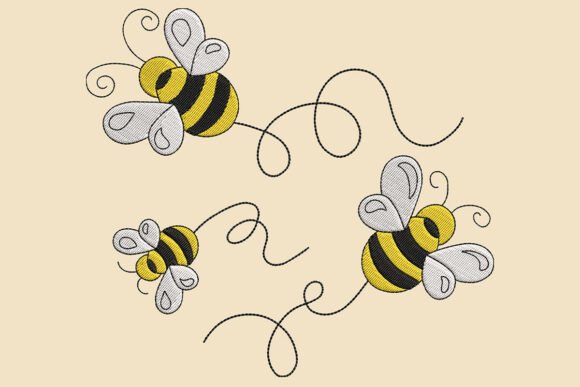
My first impression of the Triple Bee Embroidery Design is that it strikes a necessary balance between playful and professional. In the "Bugs" category, designs can often skew too juvenile or overly intricate for adult custom apparel. However, this unique and modern aesthetic suggests a stylized approach that works exceptionally well for creative industries. For a florist, bakery, honey producer, or eco-friendly handmade shop, this design communicates warmth and artisanal quality without looking like clip art.
The visual weight of three bees allows for dynamic composition. Unlike a single insect motif which can look lost on a garment, a triple arrangement creates a cohesive shape that reads clearly from a distance. This is essential for brand identity. Whether you are designing staff uniforms for a garden center or creating merch for a farmers' market stall, the design needs to be recognizable instantly. The modern styling ensures it feels current and premium, elevating the perceived value of your small business merch beyond basic promotional wear.
Performance Across Commercial Applications
In real-world business scenarios, versatility is key. I have evaluated how the Triple Bee Embroidery Design performs across various high-demand commercial applications:
- Embroidered Patches: Because the design is described as having a smooth stitch out, it is an excellent candidate for patches. The manual digitizing likely includes proper underlay and edge definition, which prevents the patch from puckering during the border stitching phase. This makes it ideal for selling as standalone add-ons or attaching to denim jackets and tote bags.
- Apron Embroidery: For cafés and bakeries, aprons are prime real estate. The triple bee motif fits perfectly on chest pockets or centered bibs. The design’s flow should accommodate the heavier canvas texture of aprons without sinking into the fabric, provided the correct stabilizer is used.
- Tote Bag Design: Canvas totes require bold, confident stitching. Thin, wispy lines often get buried in the weave of natural cotton. This design’s modern structure suggests sufficient coverage to stand up against textured bag materials, making it a strong seller for eco-conscious brands.
- Cap Embroidery: Hats present unique challenges due to curvature and limited space. If the Triple Bee Embroidery Design maintains its integrity when resized for a cap front, it becomes a valuable asset for outdoor brands and event merchandising. The "smooth" nature of the file helps prevent needle breaks on dense cap buckram.
Critical Considerations for Production
While the design shows immense promise, professional execution requires caution. Not every placement suits every file. As you integrate this digital embroidery file into your workflow, consider these technical constraints:
Sizing and Detail Retention
Always verify the minimum size before committing to small placements like sleeve cuffs or collar points. Even with superior manual digitizing, reducing a design too aggressively can cause satin stitches to merge or details to vanish. Test the design at your intended smallest scale to ensure the bees remain distinct and the outlines do not become muddy. If you plan to use this for tiny labels, confirm that the stitch density remains appropriate for lightweight fabrics.
Fabric Texture and Stabilization
The description highlights a smooth stitch out, but substrate matters. On high-texture fabrics like linen or terry cloth, you may need to adjust your topping or underlay strategy. Dark uniforms also present a contrast challenge; ensure your thread colors pop sufficiently against navy or black backgrounds. Always pair this design with the correct stabilizer for the specific item. A tear-away might suffice for caps, while cut-away is non-negotiable for stretchy knits or performance wear to prevent distortion over time.
Hoop Size and Placement
Before production, confirm your hoop size compatibility. While most machines handle standard sizes, knowing the exact dimensions of the Triple Bee Embroidery Design prevents last-minute re-hooping errors. For multi-needle machines used in commercial settings, map out your color changes efficiently to minimize downtime.
Impact on Business Value and Customer Trust
Why does the quality of this specific embroidery file matter to your bottom line? In the handmade and small business sector, embroidery quality is a direct proxy for brand trust. Jagged stitches, poor registration, or puckered fabric signal amateurism. Conversely, a clean, smooth stitch out signals attention to detail.
When customers receive a handmade product featuring the Triple Bee Embroidery Design, they are tactilely experiencing your brand standards. High-quality embroidery increases the perceived monetary value of the item, allowing for better margins. Furthermore, consistent application of this design across design assets—from staff shirts to packaging accents—builds visual recognition. It transforms a generic item into a branded experience. For Etsy sellers, listing photos showing crisp, professional embroidery can significantly improve conversion rates by reassuring buyers of the product's quality.
Professional Designer Notes for Implementation
To maximize the success of the Triple Bee Embroidery Design in your business, follow this pre-production checklist:
- Verify Licensing: Before selling any merchandise, confirm the commercial licensing terms included with the file. Ensure you have the right to sell finished products featuring this design.
- Create a Printable Mockup: Use software to create a printable mockup for client approval or internal review. Seeing the design scaled on a virtual garment helps identify proportion issues before thread hits fabric.
- Test in Monochrome: Run a test stitch in black and white first. This removes color distraction and lets you evaluate the structural integrity, spacing, and density purely based on form.
- Check Thread Contrast: Review your palette against the actual garment color. What looks good on screen may lack contrast in physical thread. Adjust saturation or brightness if necessary.
- Inspect Spacing: Manually review the file in your editing software. Check for unnecessary jumps or trims that could slow down commercial embroidery runs. Even manually digitized files can sometimes benefit from minor optimization for your specific machine.
- Compare Beside Other Assets: Place this design next to your existing logo or other brand elements. Ensure the style, weight, and complexity feel cohesive within your broader product line.
- Wash Test: If this will be used on items requiring frequent laundering (like aprons or uniforms), wash the test sample three times. Check for thread shrinkage or stabilizer residue that might affect the long-term appearance.
The Triple Bee Embroidery Design offers a compelling option for businesses seeking a modern, nature-inspired aesthetic with professional production qualities. Its manual digitizing foundation addresses the common pain points of speed and finish quality that plague automated designs. By applying rigorous testing and strategic placement, small business owners can leverage this file to create distinctive, high-value merchandise that resonates with customers and strengthens brand loyalty. Always remember that the file is the blueprint, but your expertise in stabilization, hooping, and quality control brings the vision to life.