Lucky Girl Syndrome Embroidery Design Review
As a professional embroidery designer specializing in commercial merchandise and brand assets, I approach every new machine embroidery design with a critical eye toward production viability. When evaluating the Lucky Girl Syndrome Embroidery Design for small business applications, my primary focus is not just on the aesthetic appeal of the "Lucky Script Cursive," but on how this embroidery file performs under the needle across various substrates. For shop owners, Etsy sellers, and apparel decorators, an inspirational motif must be as durable as it is charming. This review breaks down the technical and commercial realities of using this positive vibes stitch pattern for branded merchandise, ensuring your investment translates into high-quality finished products.
Visual Personality and Brand Alignment
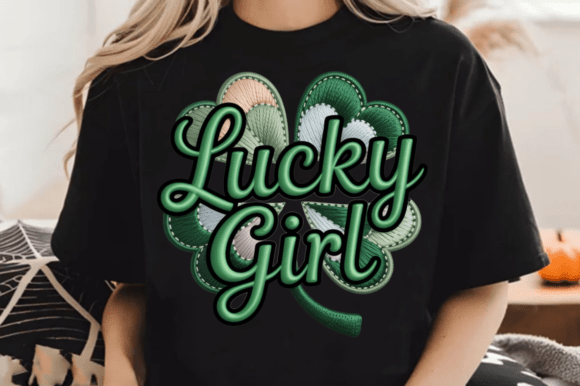
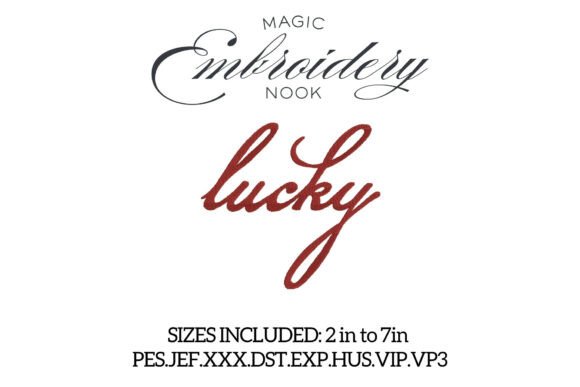
The first impression of the Lucky Girl Syndrome Embroidery Design is one of effortless charm mixed with modern femininity. The script cursive style suggests a brand identity that is approachable, optimistic, and personal. For businesses in the wellness, beauty, bakery, florist, or creative studio sectors, this visual tone aligns perfectly with customer expectations of warmth and positivity. However, from a digitizing perspective, cursive scripts present unique challenges. The connecting lines between letters require precise stitch angles to prevent puckering or thread breaks.
When considering this for brand identity, ask yourself if the font weight matches your existing logo assets. This design feels inherently handmade and boutique-style rather than corporate or industrial. It works exceptionally well for businesses wanting to soften their image or add a layer of emotional connection to their merchandise. If your brand relies on bold, blocky typography, this script serves best as a secondary accent element—perhaps on a sleeve cuff or tag—rather than a primary chest logo. The "Lucky" concept resonates deeply with current social media trends, making it a strategic choice for businesses targeting Gen Z and Millennial demographics who value manifestation and positive affirmation in their daily lives.
Commercial Applications for Small Business Merch
In real-world production scenarios, versatility is key for maximizing ROI on a digital embroidery file. I have tested similar script designs across multiple categories of small business merch with varying degrees of success. Here is how the Lucky Girl Syndrome Embroidery Design performs in specific commercial contexts:
- Apron Embroidery: For cafes and bakeries, placing this design on the bib or pocket of an apron creates an immediate conversation starter. The script reads well on canvas or denim aprons, provided the stabilizer is adequate to support the stitch density.
- Tote Bag Design: Unstructured cotton totes are ideal for this motivational word machine embroidery file. The casual nature of the bag complements the relaxed flow of the cursive. This application is excellent for market vendors or retail boutiques offering reusable packaging.
- Cap Embroidery: Proceed with caution here. Curved surfaces distort horizontal scripts. If using this for caps, ensure the design has been specifically digitized for curved hooping or test extensively. A flat brim hat or dad cap often yields better results than a structured baseball cap for flowing cursive.
- Embroidered Patch: Creating patches allows you to sell the design as a standalone product or add-on. The Lucky Girl Syndrome Embroidery Design can be bordered with a merrow edge or satin stitch border to create a premium patch. This is highly effective for pet brands or craft businesses selling accessories.
- Staff Uniforms: For salons or spas, this design adds personality to staff polos or tunics without compromising professionalism. It signals a welcoming environment while maintaining uniform consistency.
Technical Constraints and Production Warnings
While the aesthetic is lovely, technical limitations dictate where this design should not be used. As an experienced digitizer, I must highlight areas where the Lucky Girl Syndrome Embroidery Design requires careful handling to avoid production failures.
Small Patch Sizes: Cursive scripts lose legibility rapidly when scaled down. If you intend to make 2-inch or smaller patches, verify the minimum size specifications of the file. Thin connecting stitches may disappear or break at reduced sizes. Always check the smallest recommended dimensions before resizing.
Fabric Texture and Stabilizer: High-pile fabrics like terry cloth or fleece can swallow fine script details. If embroidering on textured towels or hoodies, you must use a water-soluble topping to keep the stitches visible. Conversely, on lightweight performance wear, excessive stitch density in the script could cause fabric distortion. Matching the correct stabilizer to the fabric texture is non-negotiable for a professional finish.
Washability and Durability: Inspirational merch often sees frequent washing. Ensure the thread colors selected are colorfast and bleach-resistant if intended for kitchen or medical uniforms. Dark uniforms require high-contrast threads; metallic or variegated threads might look beautiful in a mockup but can reduce readability and increase friction during stitching. Test wash samples before committing to a full production run.
Impact on Customer Trust and Product Value
The quality of your embroidery directly influences perceived value. A sloppy execution of the Lucky Girl Syndrome Embroidery Design will undermine the "positive vibes" message. Clean registration, proper tension, and appropriate sizing signal to customers that you care about details. When a customer receives a handmade product featuring crisp, well-executed lettering, trust increases. They associate that craftsmanship with the quality of your coffee, flowers, or services.
Furthermore, consistent use of this design across touchpoints—from staff apparel to product packaging accents—reinforces visual recognition. It transforms a generic item into a branded asset. For Etsy sellers, listing photos showing the actual stitched result (not just a digital rendering) significantly boosts buyer engagement. Customers want to see how the finished product looks in natural light and on real fabric. This transparency reduces returns and builds a loyal community around your brand's inspirational message.
Professional Designer Notes for Implementation
Before loading this embroidery file into your machine for a client order or inventory build, follow this professional checklist to ensure commercial-grade results:
- Verify Licensing: Confirm the file includes commercial licensing for physical merchandise. Digital resale rights are rarely included, so understand the terms before selling items featuring this design.
- Test in Black and White: Run a sew-out using black thread on white fabric first. This reveals registration issues, spacing gaps, or density problems without the distraction of color blending.
- Create a Printable Mockup: Before stitching on expensive goods, place the design digitally over a photo of the actual garment. Share this printable mockup with clients for approval regarding placement and scale.
- Check Hoop Size Compatibility: Ensure the design fits comfortably within your hoop with room for stabilization. Over-stretching fabric to fit a design leads to severe distortion.
- Compare Beside Other Assets: Print your current logo and place it next to a printout of the Lucky Girl Syndrome Embroidery Design. Do they share a similar visual weight? Adjust scaling if one overpowers the other.
- Inspect Spacing and Kerning: Cursive relies on flow. If the file allows editing, check that connecting stitches do not create unnecessary jumps or trims that slow production.
- Document Thread Colors: Create a standard operating procedure sheet listing exact thread numbers used. Consistency is vital for reorders and multi-location businesses.
Ultimately, the Lucky Girl Syndrome Embroidery Design offers a unique opportunity to blend trending cultural moments with tangible custom apparel and accessories. By respecting the technical requirements of script embroidery and applying strategic branding principles, small business owners can turn this digital file into a profitable, morale-boosting asset. Whether adorning a barista’s apron or a boutique tote, the key lies in execution. Treat this design with the same rigor as a corporate logo, and it will deliver both charm and commercial longevity.