Fairy Girl with Rose Embroidery Design Review
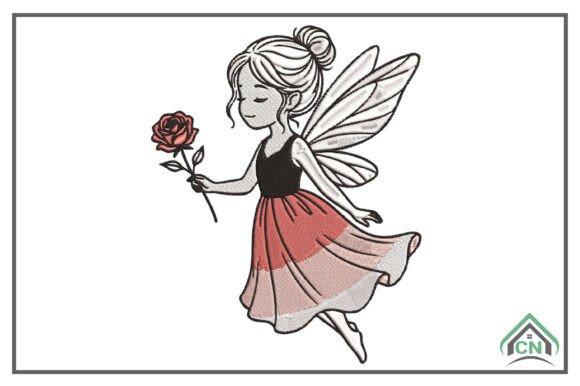
As an embroidery designer who manages a queue of custom orders for personalized gifts, I am constantly evaluating new digital assets to ensure they meet the high standards my customers expect. When planning inventory for the upcoming season of baby showers and romantic keepsakes, the Fairy Girl with Rose Embroidery Design immediately caught my attention. In the niche of Fairy Tales, finding artwork that balances whimsy with elegance is a challenge. Too often, fairy designs lean heavily into cartoonish aesthetics that alienate adult buyers or feel inappropriate for sophisticated nursery decor. This design, however, promises a magical and elegant touch that bridges the gap between playful childhood wonder and refined handmade artistry.
First Impressions and Emotional Resonance
Upon loading the embroidery file into my software, the first thing I assessed was the mood. For a personalized gift to succeed, it must evoke an immediate emotional response. This design achieves a sweet yet classic aesthetic. The integration of the rose adds a layer of maturity and romance that elevates it above standard character art. It feels less like a generic clip-art graphic and more like a deliberate illustration suited for heirloom-quality projects. The charm lies in its versatility; it reads as innocent enough for baby embroidery but possesses enough intricate detail to serve as a meaningful wedding gift or anniversary token. For Etsy sellers and small shop owners, this duality is crucial. It allows you to market a single machine embroidery design across multiple demographics without re-digitizing or purchasing separate assets.
Real-World Application: From Nursery to Wedding Registry
In my test run for a client requesting a custom nursery set, I evaluated how the Fairy Girl with Rose Embroidery Design translates to physical products. The most obvious application is blanket embroidery. On a soft minky or cotton quilt, the floral elements provide excellent texture contrast against the smooth fabric of the fairy’s dress. However, the true value of this design emerged when I tested it on home goods. A pillow cover featuring this motif transformed a plain linen cushion into a boutique-style accent piece. The rose element ties beautifully into cottage-core and shabby-chic interior trends, making it highly attractive to customers decorating nurseries or reading nooks.
For those running a commercial embroidery business focused on apparel, this design works exceptionally well on tote bags and light dresses. Unlike dense, patch-style designs that can make garments stiff, the artistic flow of this fairy suggests a lighter stitch-out that drapes better on wearable items. I also see significant potential for custom embroidery on aprons for gardeners or florists. The thematic connection between the fairy, the rose, and gardening creates a cohesive narrative that adds perceived value to what might otherwise be a simple utility item. When listing these finished products, emphasize the storytelling aspect; buyers are not just purchasing thread on fabric, they are buying into the enchantment of the Fairy Tales genre.
Navigating Fabric Challenges and Technical Limitations
While the Fairy Girl with Rose Embroidery Design is versatile, professional results require respecting technical boundaries during production. As I prepared to stitch this out for a sample embroidered towel, I had to be cautious. Terry cloth and thick terry textures can swallow delicate details. If your version of this design includes fine facial features or thin vine stems, you must use a water-soluble topping and potentially a tear-away backing to prevent the stitches from sinking. Always check the stitch density before committing to a plush substrate; if the design is too dense for a towel, it may become bulletproof and uncomfortable, or conversely, too sparse to define the image clearly.
Stretchy fabrics present another hurdle. When testing on baby onesies or knit dresses, the combination of the fairy’s silhouette and the rose could cause puckering if the stabilizer choice is inadequate. I recommend a cut-away stabilizer for any stretch material to maintain the integrity of the design after washing. Additionally, consider the hoop size relative to the garment. Placing a large, complex design near the side seams of a small baby bodice can distort the fit. Always center the design appropriately or scale it down while maintaining the minimum readable detail size.
Color contrast is equally vital. The description mentions adding an elegant touch, which often implies shading and blending. On dark fabrics, ensure your thread colors have sufficient luminance to pop. A pastel pink rose on a navy background may disappear unless outlined or backed with white underlay. Conversely, on white fabric, ensure the skin tones and hair shades have enough depth to avoid looking washed out. Always run a test stitch-out on scrap fabric that matches your final product’s weight and weave before hooping the actual customer order.
Elevating Perceived Value and Customer Trust
For handmade sellers, the quality of your digitization directly correlates to customer trust. The Fairy Girl with Rose Embroidery Design influences giftability through its finish. Clean satin stitches, secure jumps, and proper registration mark the difference between a homemade craft and a professional handmade product. When photographing your samples for listings, capture the texture. Show the sheen of the rayon or polyester threads against the matte fabric. This visual proof of quality reassures buyers that their personalized gift will withstand use and laundering.
Furthermore, using a cohesive design like this helps build brand recognition. If you offer this fairy on a pillow cover, matching bibs, and wall hangings, customers perceive your shop as a curated destination rather than a random assortment of goods. The emotional connection fostered by the gentle, romantic imagery encourages higher engagement and repeat business, particularly for milestones like births and weddings where sentimentality drives purchasing decisions.
Essential Pre-Production Checklist for Sellers
Before adding items featuring the Fairy Girl with Rose Embroidery Design to your inventory, adhere to this practical workflow to protect your reputation and profit margins:
- Verify Licensing: Confirm whether your purchase includes commercial rights for selling finished products or if it is limited to personal use. Never assume; always check the specific terms provided with the digital embroidery file.
- Test Stitch-Out: Never skip this step. Use the exact fabric and stabilizer combination intended for the final product to check for registration issues or tension problems.
- Review Thread Chart: Compare the designer’s recommended thread colors against your own inventory. Create a conversion chart if necessary to ensure color accuracy across different brands.
- Create Mockups: Utilize a printable mockup or digital software to visualize placement before stitching. This saves time and materials when showing clients options for custom orders.
- Check Dimensions: Measure the design against your available hoop size and the printable area of your target product. Ensure there is adequate margin for hooping without hitting seams or zippers.
- Assess Washability: If selling baby embroidery or kitchen linens, verify that the stitch type and density are appropriate for frequent laundering. Avoid long floats that could snag on tiny fingers or utensils.
By approaching the Fairy Girl with Rose Embroidery Design with both creative enthusiasm and technical discipline, you transform a simple digital file into a profitable, cherished product line. Whether you are creating a one-of-a-kind wedding gift or stocking your Etsy shop with best-selling nursery decor, this design offers the perfect blend of fantasy and craftsmanship that today’s market craves. Remember, in the world of custom embroidery, success lies in the details—both in the stitches you lay down and the preparation you undertake before the needle ever touches the fabric.