Wild Poppy Style Floral Embroidery Review
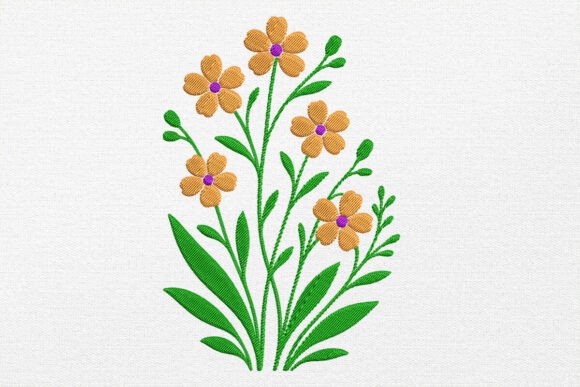
As a designer who constantly evaluates digital assets for both personal studio work and client commissions, I approach every new machine embroidery design with a critical eye. It is not enough for a pattern to look beautiful on a screen; it must translate into physical thread without losing its soul. When I first loaded the Wild Poppy Style Floral Embroidery file into my software, I was immediately struck by its deliberate restraint. In a market often saturated with overly dense, complex florals, this boho floral embroidery pattern offers a refreshing minimalist aesthetic that feels intentional rather than simplified.
The mood this design creates is one of organic elegance. The wildflowers are rendered with a line art sensibility that mimics hand-drawn illustration, making it distinct from standard digitized clip art. For those of us running a craft business or managing an Etsy shop, this visual personality is crucial. It signals "handmade" and "artisanal" even when produced via machine. However, beauty alone does not guarantee a successful finished product. My evaluation focuses on how this specific embroidery file performs under the needle, how it interacts with various substrates, and where it delivers the best return on investment for makers and small business owners.
Real-World Application: The Linen Tote Test
To truly understand the utility of Wild Poppy Style Floral Embroidery, I mentally placed it in a current production scenario: a custom embroidered tote bag intended for a boutique wedding favor line. This project requires a balance of durability, aesthetic appeal, and production efficiency. The minimalist nature of this design makes it an ideal candidate for unbleached linen or cotton canvas. Unlike heavy fill stitch designs that can cause fabric puckering or require excessive stabilization, the open layout of these wildflowers allows the fabric texture to breathe through the embroidery.
In this real-life case, the design serves as a sophisticated accent rather than a overwhelming centerpiece. For a tote bag design, placement is key. I envision this stitched slightly off-center or near the bottom hem to create a modern, asymmetric look that appeals to contemporary buyers. Because the design relies on elegant lines, likely utilizing running stitch or light satin elements, the stitching time is significantly reduced compared to traditional bouquets. This efficiency is vital for Etsy sellers and small shop product creators where margins depend on balancing perceived value with labor time. The result is a personalized gift that feels high-end and bespoke without requiring hours of machine runtime per unit.
Fabric Compatibility and Technical Considerations
While the Wild Poppy Style Floral Embroidery is versatile, its minimalist line art style demands careful substrate selection. Not all fabrics are created equal when dealing with delicate floral motifs. Here is my practical assessment of where this design thrives and where caution is required:
- Ideal Substrates: Woven cottons, linens, denim, and stable canvas are perfect. These fabrics provide the necessary support for clean lines without distortion. For baby embroidery projects like onesies or bibs, ensure you use a soft cut-away stabilizer to prevent the design from scratching sensitive skin, as line art can sometimes feel raised against the fabric.
- Challenging Fabrics: High-pile towels or thick fleece may swallow the delicate details of this boho floral pattern. If using this for holiday embroidery on plush items, consider adding a water-soluble topping to keep the stitches visible. Conversely, extremely sheer or stretchy knits require significant stabilization; otherwise, the tension of the thread could warp the garment.
- Dark vs. Light Backgrounds: Minimalist designs rely heavily on contrast. On dark fabrics, verify that your thread colors pop sufficiently. A pale cream or metallic gold thread against navy linen elevates the design to luxury status, whereas low-contrast threads might make the wildflowers disappear.
Commercial Viability for Makers and Sellers
For creative entrepreneurs, a digital embroidery file is only as valuable as the products it helps sell. Wild Poppy Style Floral Embroidery possesses strong commercial potential because of its adaptability. It bridges the gap between trendy boho aesthetics and timeless botanical art. This versatility means it can be used across multiple product categories without looking repetitive. I can see this working equally well on custom apparel like sweatshirt cuffs, denim jacket backs, or as a subtle pocket detail on aprons.
Furthermore, the clean lines make this design exceptionally easy to mock up. When creating a printable mockup for social media or listing photos, the lack of visual clutter ensures the design reads clearly even in thumbnail size. This is essential for buyer engagement on platforms like Etsy or Instagram. For those selling design assets or offering commercial embroidery services, this pattern’s professional digitizing quality (assuming standard industry practices) reduces the risk of thread breaks or registration errors during bulk production. Always confirm the licensing terms before selling finished goods or incorporating the design into other digital products, but aesthetically, it is built for retail success.
Designer Notes: Ensuring Stitch-Out Success
Before committing this design to a final embroidery project, I recommend a disciplined testing protocol. Even the most beautifully digitized applique design or line art pattern can fail if variables aren't controlled. Here are my non-negotiable checks for Wild Poppy Style Floral Embroidery:
- Test on Scrap Fabric First: Never stitch directly onto a sellable item without a test run. Use a scrap of the exact material and stabilizer combination you plan to use. Check for puckering, especially around curved stem elements.
- Verify Hoop Size and Stability: Ensure your hoop size accommodates the design with adequate margin. Over-tightening can distort minimalist lines, making straight stems look bowed. Float the fabric if hooping causes permanent marks.
- Inspect Stitch Density: Zoom in on the file in your editing software. If the design uses satin stitch for stems, ensure the width is appropriate for the fabric weight. Too wide on thin fabric causes tunneling; too narrow on thick fabric looks lost.
- Color Contrast Check: View the design in black and white within your software to judge tonal contrast independent of hue. This ensures the wildflowers remain legible regardless of the color palette chosen.
- Wash Testing: If producing kitchen towels or baby items, wash and dry your test swatch. Minimalist line art can sometimes pull or shrink differently than the base fabric. Pre-shrinking your materials is often necessary to maintain the design's integrity post-laundry.
Elevating Handmade Value Through Thoughtful Design
Ultimately, Wild Poppy Style Floral Embroidery succeeds because it respects the intelligence of the maker and the taste of the end consumer. It avoids the trap of generic complexity, offering instead a refined, artistic interpretation of nature that enhances rather than dominates the base material. Whether you are creating a handmade product for a craft fair, fulfilling custom apparel orders, or expanding your library of reliable design assets, this pattern demonstrates how minimalism can drive maximum impact.
By understanding the technical requirements and best-use scenarios outlined above, you can leverage this boho floral pattern to build customer trust and brand consistency. Remember that in the world of machine embroidery, the difference between a hobbyist output and a professional finished product often lies in these nuanced decisions regarding fabric pairing, stabilization, and design placement. Treat Wild Poppy Style Floral Embroidery not just as a file to be stitched, but as a collaborative element in your broader creative vision, and it will consistently deliver results that honor both the craft and the commerce of embroidery.